by
William Casey Biggerstaff
| Jul 7, 2026 | AoW Posts, Blog, Law of Armed Conflict
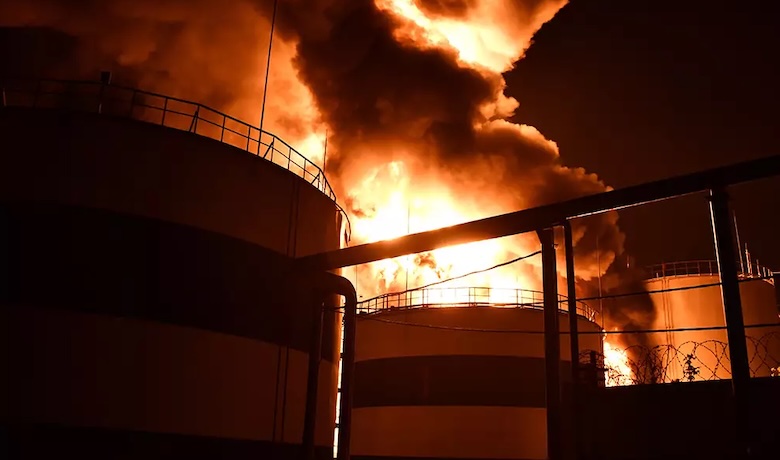
Ukraine’s Attacks on Oil Infrastructure and the “War-Sustaining” Debate On 16 June, Ukraine launched a drone strike on Russia’s Gazprom Neft Moscow Refinery, an oil processing facility that sources a third of the fuel supply for the Russian capital and its surrounding...
by
Raoul Cardellini Leipertz
| May 27, 2026 | AoW Posts, Blog, Space Law, Targeting
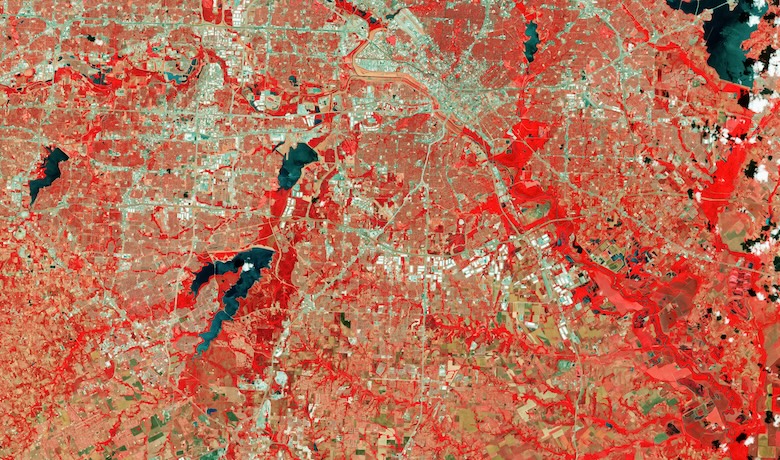
From Imagery to Targeting: Commercial Satellite Support in War Commercial Earth Observation (EO) and geospatial intelligence firms now provide near-real-time imagery and analysis during active hostilities. Existing international humanitarian law (IHL) applies to these...
by
Mark Lattimer
| May 18, 2026 | AoW Posts, Blog, Law of Armed Conflict, Targeting
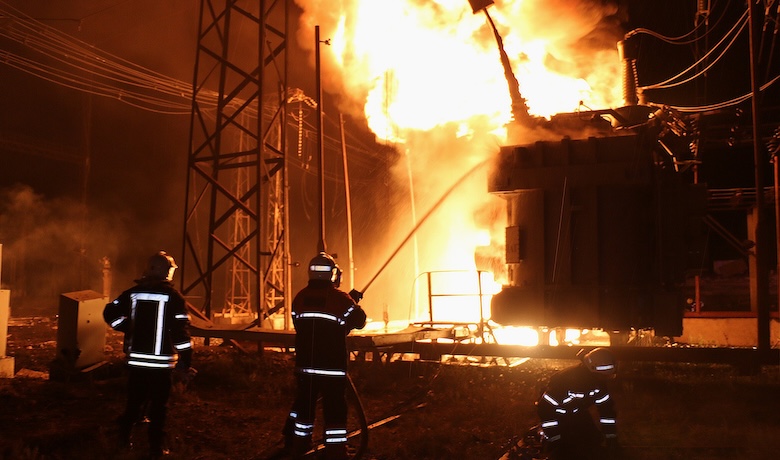
Dual-Use Objects and Dual-Purpose Attacks Editors’ note: This post highlights work in the author’s recent chapter, “Objective and Subjective Tests for Determining Violations of the Law of Targeting: The Unreasonable Commander and the Guilty Mind,” appearing in Volume...
by
Szymon Skalski,
Natosha Hoduski
| Mar 6, 2026 | AoW Posts, Blog, Cyber, Targeting
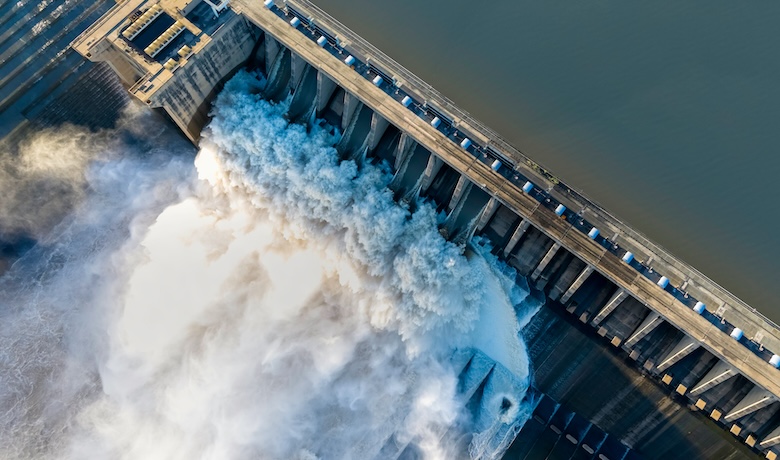
When Red Lines Cross Blue Lines: Cyber Attacks on Poland’s Water Infrastructure – Part II In Part I of this post, we addressed the threshold issue of whether cyber operations targeting water infrastructure qualify as attacks, thus bringing international humanitarian...
by
Ronald Alcala
| Feb 20, 2026 | AoW Posts, Blog, Law of Armed Conflict, Targeting
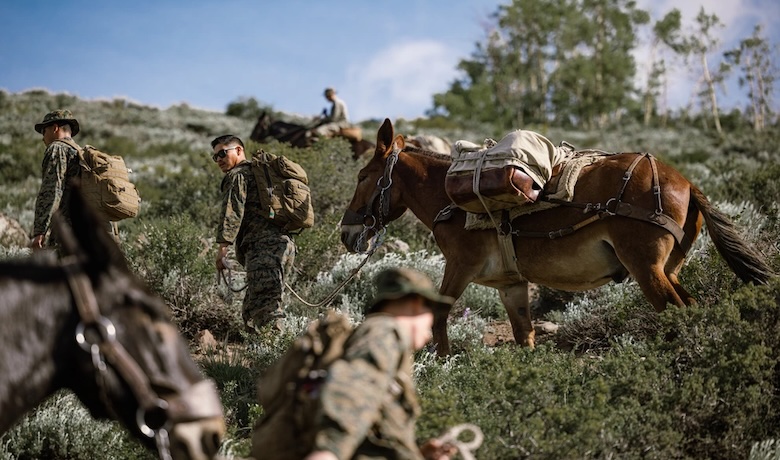
Military Animals in Armed Conflict For much of human history, armies have relied on military animals to prosecute wars. Horses have served as means of transportation and tactical maneuver since ancient times. Mules, donkeys, camels, and other pack animals have been...
