by
Barry de Vries
| Feb 10, 2026 | AoW Posts, Blog, Weapons Law
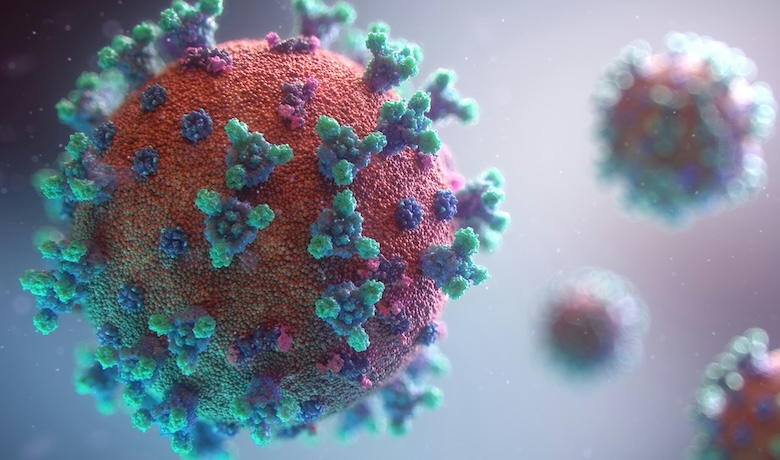
Biological Weapons: Why Strengthening the BWC Matters Now Disease is a constant threat to humanity and in many instances, there is little that can be done to prevent its spread. As shown by the recent experience of SARS-CoV 2, infectious diseases are a serious health...
by
Liisi Adamson
| Dec 29, 2025 | Accountability, AoW Posts, Blog, Compliance, Law of Armed Conflict
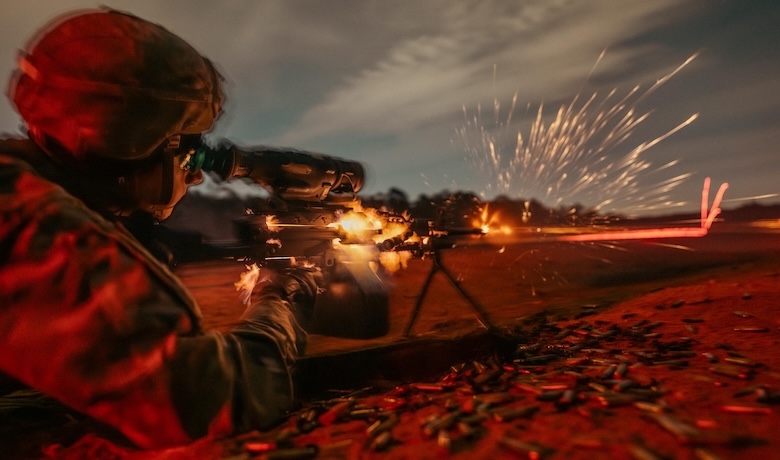
Year in Review – 2025 2025 has been a year of persistent conflicts, evolving law of armed conflict (LOAC) questions, and contrasting views. At Articles of War, we strived to provide a platform for nuanced legal analysis and timely discussion in 200 posts,...
by
Bryan Peeler
| Nov 14, 2025 | AoW Posts, Blog, Compliance, Law of Armed Conflict
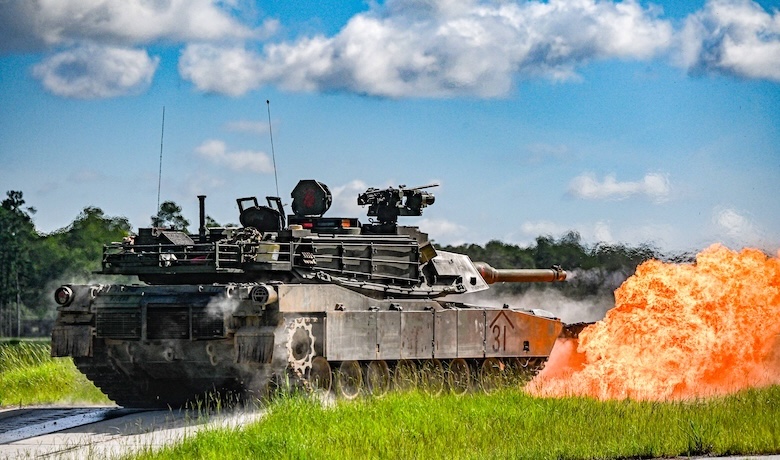
Why Reciprocity Refuses to Die: The Enduring Logic of Fairness in War International humanitarian law (IHL) is often described as a triumph of principle over pragmatism; a set of rules meant to restrain war even when all else is breaking down. After all, the Geneva...
by
Charles Trumbull
| Nov 5, 2025 | AoW Posts, Blog, Compliance, Emerging Technologies, Future of Warfare and Law Series, Law of Armed Conflict, Targeting
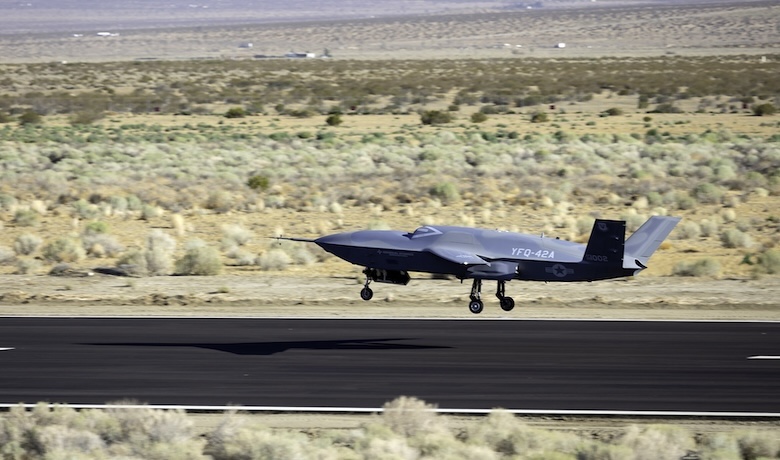
Future of Warfare and Law Series – Addressing Uncertainty in the Use of Autonomous Weapons Systems Editors’ note: This post is part of a series featuring topics discussed during the Third Annual Future of Warfare and the Law Symposium. LTC Christina Colclough’s...
by
Claire Simmons
| Oct 28, 2025 | AoW Posts, Blog, Compliance, In Honor of Françoise Hampson, Law of Armed Conflict
In Honor of Françoise Hampson – Teaching and Operationalising LOAC Editors’ note: This post is part of a series to honor Françoise Hampson, who passed away on April 18, 2025. These posts recognize Professor Hampson’s work and the significant contribution her...
