by
Zohaib Altaf
| Oct 15, 2026 | AoW Posts, Blog, Targeting
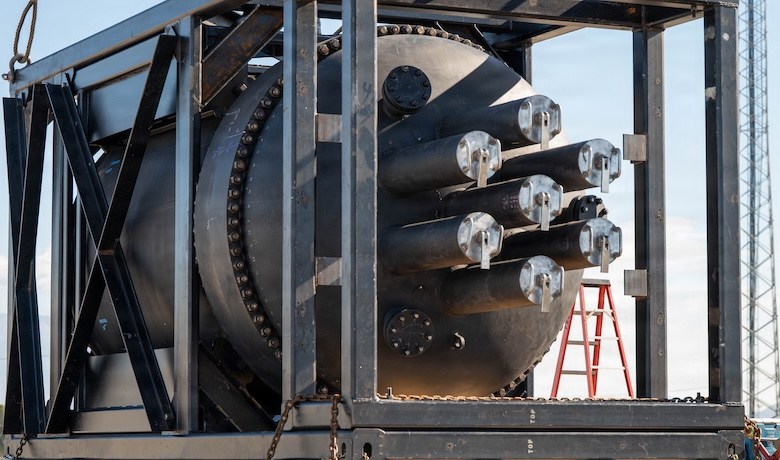
Military Microreactors and the Law of Targeting A future military base may not only rely on diesel generators, vulnerable grids, and exposed fuel convoys for energy. It may instead be powered by a small nuclear reactor integrated into AI-enabled command nodes,...
by
Geoff Corn,
Benzion Aron
| Oct 14, 2026 | AoW Posts, Blog, Conflict Classification, GC IV Commentary Series, Law of Armed Conflict
GC IV Commentary Series – Navigating the Complexities of Common Article 3 Editors’ note: The following series considers ICRC’s 2025 updated Commentary on the Fourth Geneva Convention. Rosa-Lena Lauterbach, Liisi Adamson, and Sean Watts’s introduction to the series is...

by
Gerald Mako,
Lemuel Valdez
| Oct 13, 2026 | AI, AoW Posts, Blog
Hollow Control: Cyber Compromise and Human Judgment in Lethal Autonomous Weapons – Part I Observing that modern warfare is ever more reliant on networks, data, sensors, and software, all of which are vulnerable to attack, has the novelty factor of a field manual...

by
Tsvetelina van Benthem
| Oct 9, 2026 | AoW Posts, Blog, GC IV Commentary Series, Law of Armed Conflict
GC IV Commentary Series – The Prohibition of Deportation and Forcible Transfer Editors’ note: The following series considers ICRC’s 2025 updated Commentary on the Fourth Geneva Convention. Rosa-Lena Lauterbach, Liisi Adamson, and Sean Watts’s introduction to the...

by
Hitoshi Nasu
| Oct 7, 2026 | AoW Posts, Blog, GC IV Commentary Series, Interpretation & Development, Law of Armed Conflict
GC IV Commentary Series – On Interpretive Methodology Editors’ note: The following series considers ICRC’s 2025 updated Commentary on the Fourth Geneva Convention. Rosa-Lena Lauterbach, Liisi Adamson, and Sean Watts’s introduction to the series is...

by
Sergey Sayapin
| Oct 6, 2026 | AI, AoW Posts, Asia-Pacific Journal Series, Blog
Asia-Pacific Journal Series – Dignitary Design: Embedding Human Dignity into Military AI Editors’ note: This post appears as part of a series highlighting articles in a recent volume of the Asia-Pacific Journal of International Law, on which presentations were made at...

