by
Ronald Alcala
| Jan 28, 2026 | AoW Posts, Blog, Law of Armed Conflict, Targeting
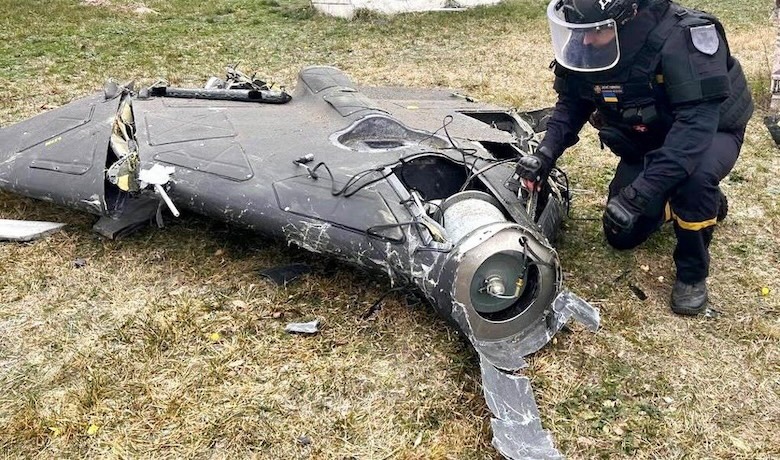
Gamifying War: Reward Incentives and “Outlawry” in Armed Conflict Both sides of the Ukraine-Russia conflict maintain incentive programs that reward soldiers for kills on the battlefield. Russia offers monetary bonuses for the destruction of enemy equipment, such as...
by
Thomas Wheatley
| Jan 26, 2026 | AoW Posts, Blog, Law of Armed Conflict, Use of Force
The Moral Disorder of Jus ad Bellum and Jus in Bello Purity In my last post, I argued why the law of armed conflict (LOAC) does not require the absolute separation of jus in bello and jus ad bellum. I also identified how leading thinkers throughout history understood...
by
Robert Kolb
| Jan 12, 2026 | AoW Posts, Blog, Law of Armed Conflict, Use of Force
Of Open and Closed Systems – War Caught in Lotus and Anti-Lotus Within every system of law there are open legal sub-systems that offer residual freedom to act and closed sub-systems where residual prohibitions prevail. In the first, the maxim is that what is not...

by
Samuel White
| Jan 5, 2026 | AI, AoW Posts, Blog, Cyber
Year Ahead 2026 – Poisoned Wells Before The War In April 2026, and as part of my role at the National University of Singapore, I am hosting a regional conference on the intersection between artificial intelligence (AI) and international humanitarian law (IHL). The...

by
Bryan Peeler
| Jan 2, 2026 | AoW Posts, Blog, Law of Armed Conflict
Reciprocity Without Retaliation: Rethinking Fairness in the Laws of War Editors’ note: This post is the second in a series relating to the author’s book, The Persistence of Reciprocity in International Humanitarian Law, published by Cambridge University Press. The...
