by
Robert Kolb
| Apr 1, 2026 | AoW Posts, Blog, Weapons Law
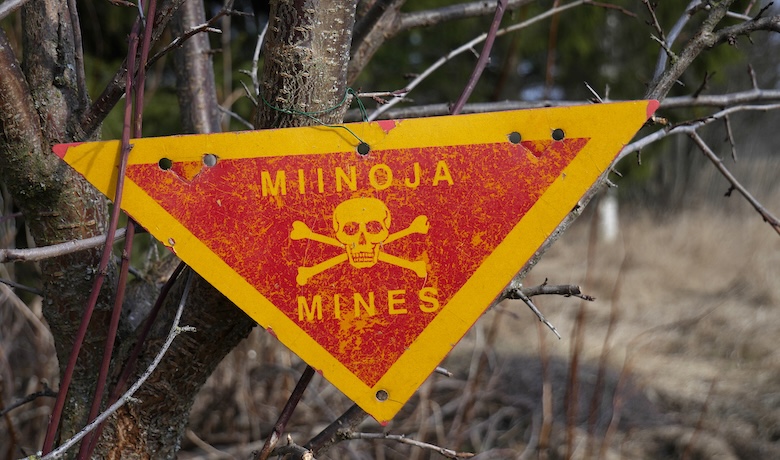
Ukraine’s Suspension of the Anti-Personnel Mine Ban Convention On July 17, 2025, Ukraine suspended operation of the Anti-Personnel Mine Ban Convention (Oslo-Ottawa Convention) and notified other State Parties through the UN Secretary General, the treaty’s designated...
by
Gerald Mako
| Mar 9, 2026 | Accountability, AI, AoW Posts, Blog, Emerging Technologies
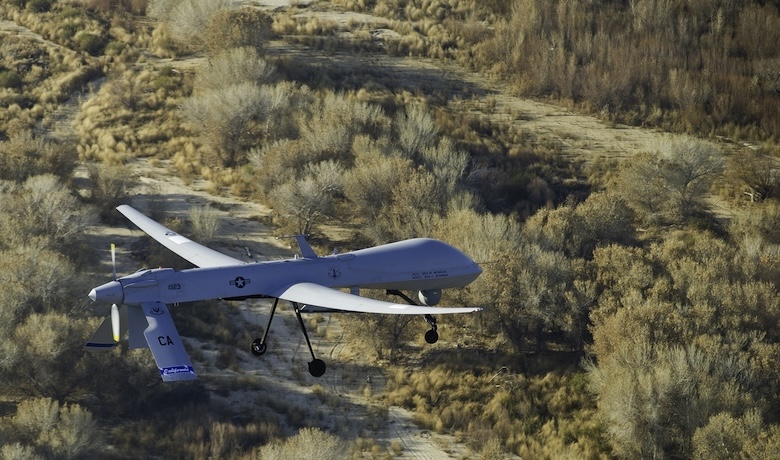
Legal Accountability for AI-Driven Autonomous Weapons Editors’ note: This is the first post in a series dedicated to Lethal Autonomous Weapons Systems (LAWS) and the questions of human oversight and legal accountability under international humanitarian law. As...

by
Davit Khachatryan
| Feb 27, 2026 | AoW Posts, Blog, Weapons Law
Anti-Personnel Mines in a Post-Hostilities Environment: The Case of Armenia-Azerbaijan Conflict Few contemporary conflicts have been as deeply saturated with landmines as the protracted confrontation between Armenia and Azerbaijan. Over three decades of intermittent...
by
Natalie Nunn
| Feb 6, 2026 | AoW Posts, Blog, Emerging Technologies
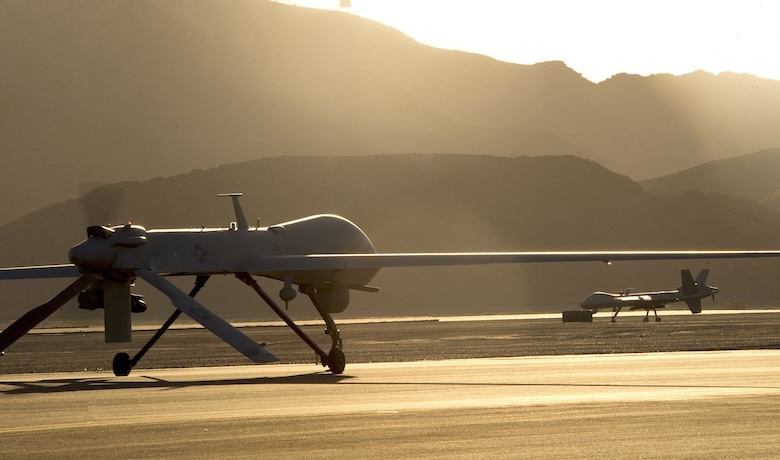
How Lessons Learned from the CCW Can Help Guide the Regulation of AWS Autonomous weapon systems have become a familiar set piece in contemporary International Humanitarian Law (IHL) debates. The questions are by now well-rehearsed: does the existing law of armed...
by
Inna Zavorotko,
Oleksii Plotnikov
| Oct 8, 2025 | AoW Posts, Blog, Weapons Law
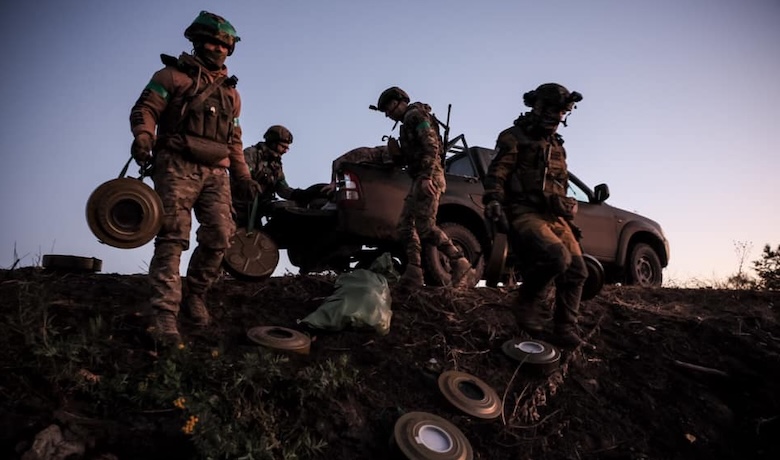
Tentative Remarks on Ukraine’s Suspension of the Ottawa Convention On June 29, 2025, the President of Ukraine signed a decree on the withdrawal of Ukraine from the Convention on the Prohibition of the Use, Stockpiling, Production and Transfer of Anti-Personnel Mines...
