by
Thomas W. Oakley
| Apr 7, 2026 | AoW Posts, Blog, Use of Force
Through the Looking Glass, Again: The Caroline Standard and a General Framework for Necessity-Based Self-Defense “Why, it’s a Looking-glass book, of course! And if I hold it up to a glass, the words will all go the right way again.” — Lewis Carroll, Through the...
by
Megan Ezekannagha
| Apr 6, 2026 | AI, AoW Posts, Blog, Law of Armed Conflict
Fighting at Machine Speed: AI and U.S. Army Counterfire Under the Law of War – Part II Part I of this post explained the growing relevance of counterfire operations, challenges that accompany carrying them out, and potential contributions of artificial intelligence...
by
Megan Ezekannagha
| Apr 3, 2026 | AI, AoW Posts, Blog, Targeting
Fighting at Machine Speed: AI and U.S. Army Counterfire Under the Law of War – Part I A strategic shift in national security priorities from counterinsurgency operations to great-power competition and conflict has exposed significant technological and capability gaps...
by
Robert Kolb
| Apr 1, 2026 | AoW Posts, Blog, Weapons Law
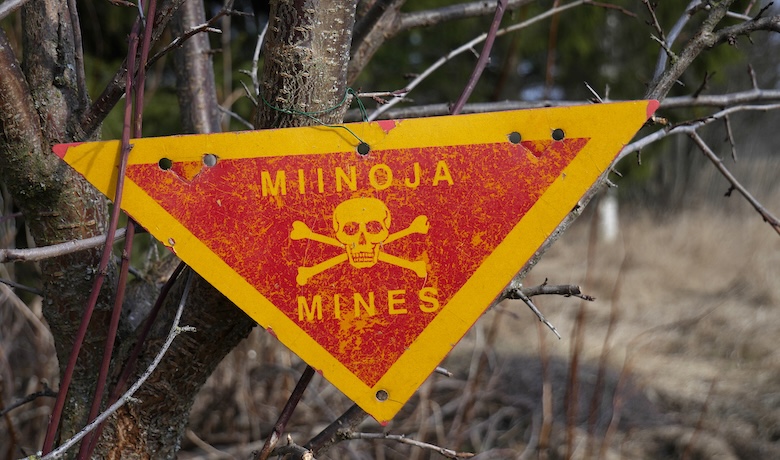
Ukraine’s Suspension of the Anti-Personnel Mine Ban Convention On July 17, 2025, Ukraine suspended operation of the Anti-Personnel Mine Ban Convention (Oslo-Ottawa Convention) and notified other State Parties through the UN Secretary General, the treaty’s designated...
by
Mark Lattimer
| Mar 31, 2026 | AoW Posts, Blog, Law of Armed Conflict
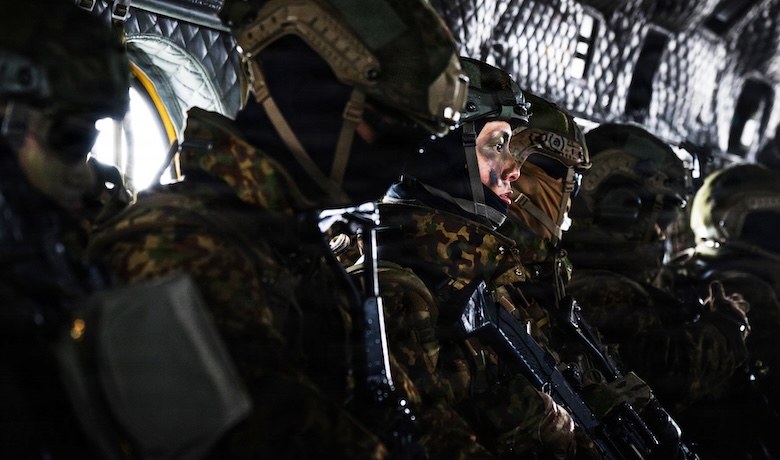
Challenging Common Assumptions About Civilian Protection in Large-Scale Combat Operations Preparations for large-scale combat operations (LSCOs) by the U.S. military and other NATO militaries have led to a debate—no doubt familiar to Articles of War readers—about...
by
William H. Boothby
| Mar 30, 2026 | AoW Posts, Blog, Weapons Law
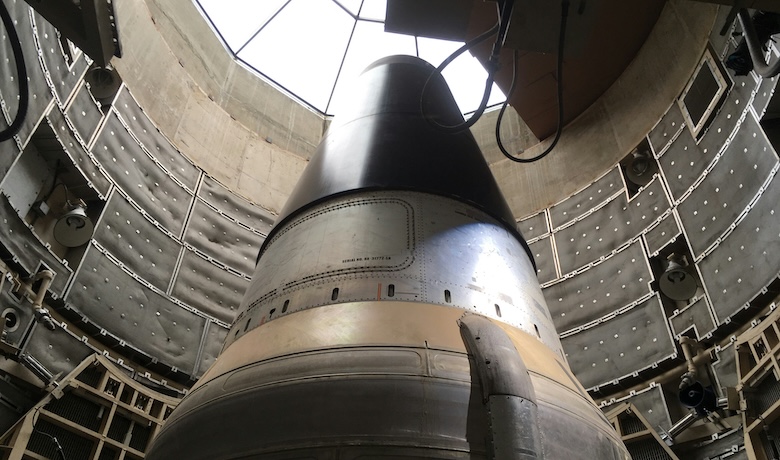
Nuclear Weapons Part I – Opposing Perspectives Editors’ note: This is the first of a three-part post on legal considerations applicable to nuclear weapons. This post will explore the fundamental differences of view on nuclear weapons and their implications. But...
