by
Gerald Mako
| Mar 9, 2026 | Accountability, AI, AoW Posts, Blog, Emerging Technologies
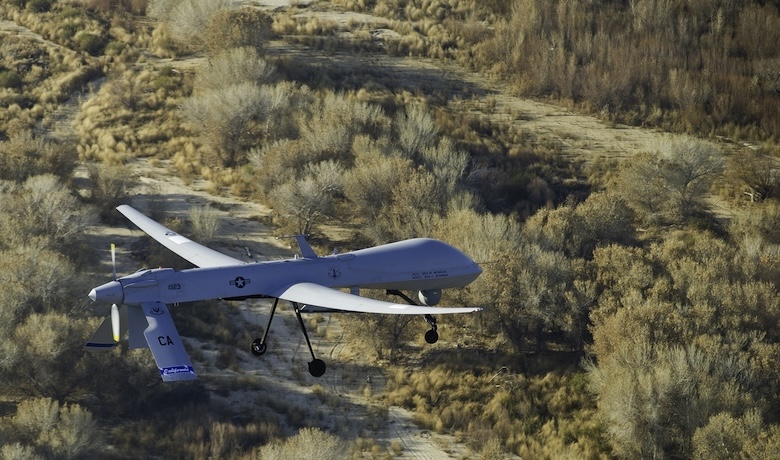
Legal Accountability for AI-Driven Autonomous Weapons Editors’ note: This is the first post in a series dedicated to Lethal Autonomous Weapons Systems (LAWS) and the questions of human oversight and legal accountability under international humanitarian law. As...

by
Jeffrey Biller
| Jan 9, 2026 | AoW Posts, Blog, Cyber
Year Ahead 2026 – The Law of Cyber Operations In 2026, the law governing cyber operations in armed conflict is unlikely to undergo dramatic change. Instead, trendlines from the first half of the decade will persist, as States remain reluctant to clarify how core...
by
Tobias Vestner,
Nicolò Borgesano
| Dec 12, 2025 | AI, AoW Posts, Blog, Cyber, Weapons Law
Legal Reviews of War Algorithms: From Cyber Weapons to AI Systems States are obliged to conduct legal reviews of new weapons, means, and methods of warfare. Legal reviews of artificial intelligence (AI) systems pose significant legal and practical challenges due to...
by
Andrew McKee,
Christina Colclough
| Nov 12, 2025 | AoW Posts, Blog, Future of Warfare and Law Series, Weapons Law
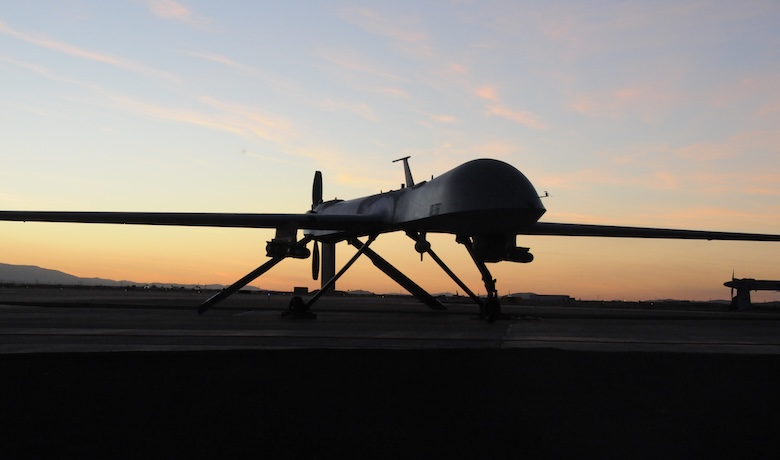
Future of Warfare and Law Series – Legal Reviews of Autonomous Weapons at the Tactical Edge Editors’ note: This post is part of a series featuring topics discussed during the Third Annual Future of Warfare and the Law Symposium. Christina Colclough’s introductory post...
by
Michael W. Meier
| Aug 27, 2025 | AoW Posts, Blog, Emerging Technologies, Weapons Law
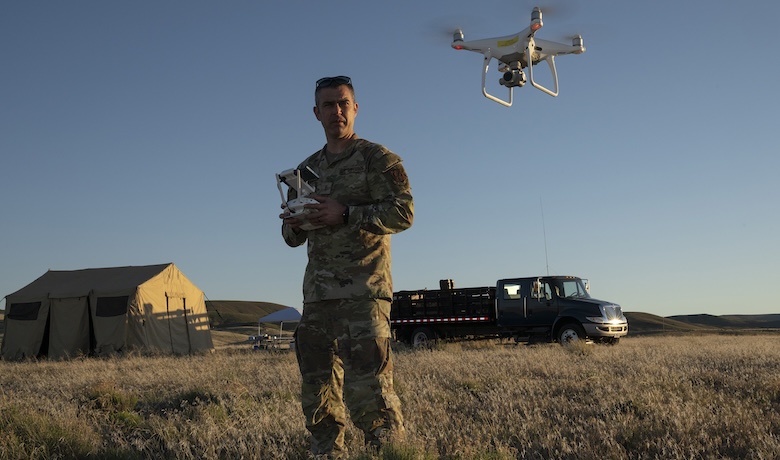
Unleashing Drone Dominance: Rethinking Department of Defense Weapons Reviews In November 2001, the United States conducted what is considered to be the first ever armed drone attack in Afghanistan. Over the next twenty years, the United States dominated the production...
