by
Michael N. Schmitt
| Dec 20, 2021 | AoW Posts, Blog, Law of Armed Conflict, State Responsibility, Use of Force
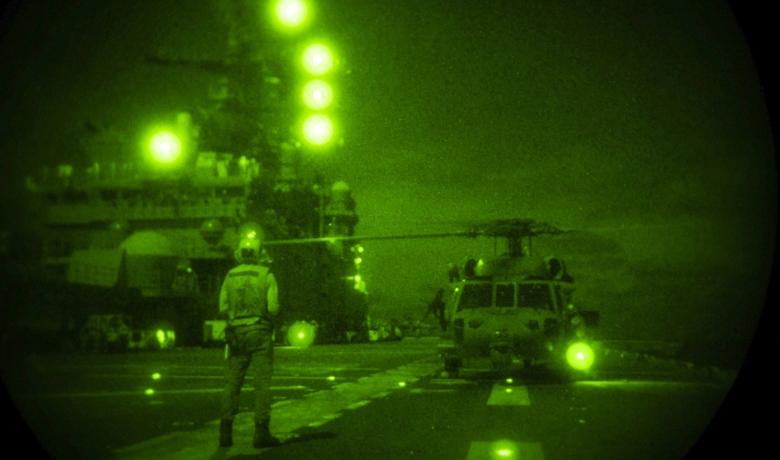
Over-the-Horizon Operations – Part II: Where May Force Be Used? Part I of this series examined the issue of when the United States would enjoy a legal right to conduct over-the-horizon (OTH) operations. It identified three bases for such operations: UN Charter...
by
Michael N. Schmitt
| Dec 16, 2021 | AoW Posts, Blog, Law of Armed Conflict, State Responsibility, Targeting
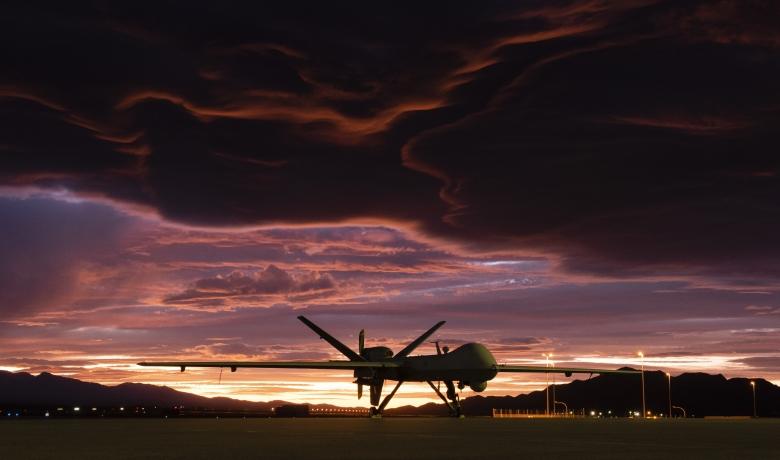
Over-the-Horizon Operations – Part I: When May Force Be Used? Responding in early July to concerns about the withdrawal of troops from Afghanistan after two decades of war, President Biden announced, “We are developing a counterterrorism over-the-horizon...
by
Michael N. Schmitt
| Oct 15, 2021 | AoW Posts, Blog, Hays Parks Symposium, History of LOAC
Assassination in the Law of War Few lawyers better appreciated the importance of terminological precision than my late friend and law of war colleague, Hays Parks. Over three decades ago, he turned his attention to assassination. This post builds on his work by...

by
Michael N. Schmitt
| Jul 29, 2021 | AoW Posts, Blog, Cyber, Law of Armed Conflict, Use of Force
Terminological Precision and International Cyber Law The recent spate of hostile cyber operations by States, non-State groups affiliated with States, and non-State groups operating on their own has resulted in a cacophony of pronouncements and commentary by political...
by
Michael N. Schmitt
| Jun 28, 2021 | AoW Posts, Blog, Targeting
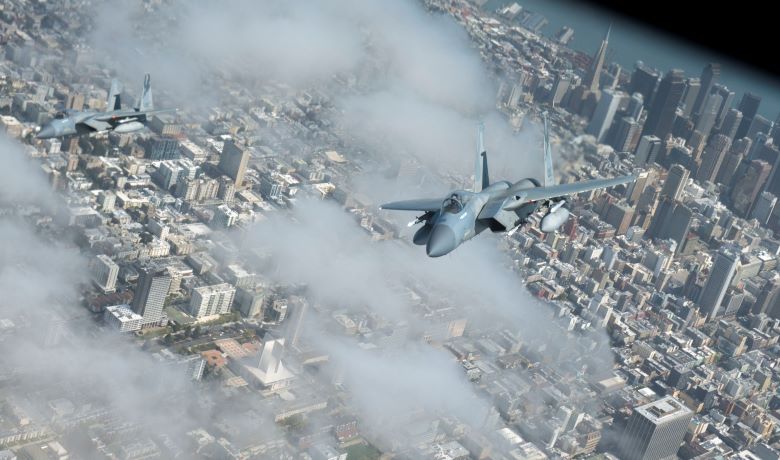
Targeting Dual-Use Structures: An Alternative Interpretation In a recent Articles of War piece, I discussed protection of the media under international humanitarian law, a topic that had come to the fore when the Israel Defense Force (IDF) attacked the...
