by
Kinga Tibori-Szabó
| Sep 12, 2025 | AoW Posts, Blog, Use of Force
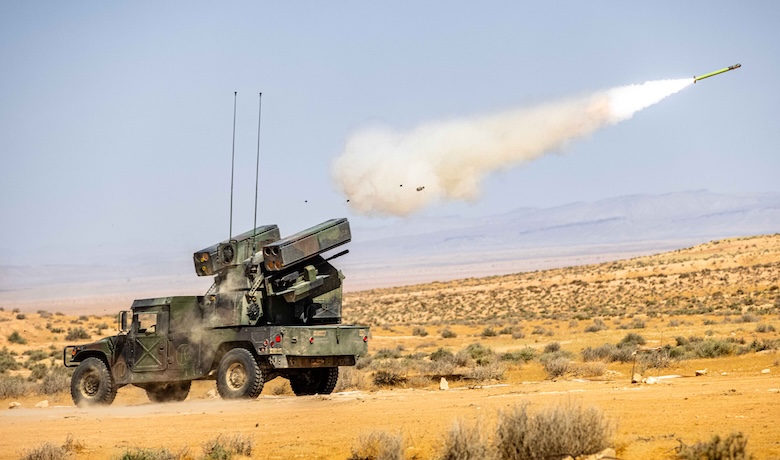
The Ban on Force or the System: What’s Really Dying? In the past year, a growing chorus of voices has warned that the international “rule-based” order—along with the prohibition on the use of force—is unraveling, with the United States poised to withdraw from the very...
by
Robert Kolb
| Sep 10, 2025 | AoW Posts, Blog, Law of Armed Conflict, Use of Force
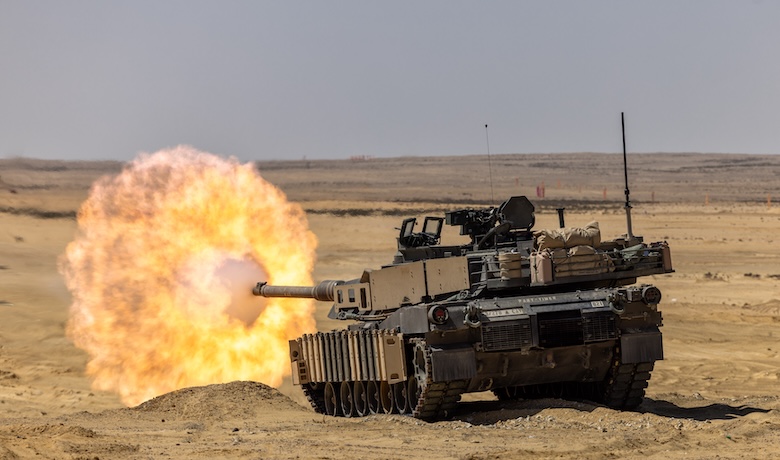
Exceptions to the Separation Between the Jus ad Bellum and Jus in Bello According to canonic learning and overwhelming practice, the rules of the jus ad bellum and those of the jus in bello are separated in the sense that the application of each depends on its own...
by
Gerald Mako
| Aug 6, 2025 | AoW Posts, Blog, Cyber
Firewalls and Fault Lines: Cyber War in the Middle East Following the Iran-Israel War, a conflict blending relentless Israel Defense Force (IDF) airstrikes with Iranian missile and drone barrages, some Middle Eastern battlefields have quieted, making it easy to forget...

by
Andrea Logan
| Jul 21, 2025 | Accountability, AoW Posts, Blog, Ukraine-Russia Symposium, Use of Force
Ukraine Symposium – War Termination: Legal Implications for International Security The Kremlin announced on June 20 that it would finalize a date for a third round of peace talks with Ukraine. This follows two meetings in Istanbul on May 16 and June 2, 2025, marking...

by
William Casey Biggerstaff
| Jul 3, 2025 | AoW Posts, Blog, Use of Force
Operation Rising Lion and the Self-Defense Condition of Immediacy On 13 June, Israel launched Operation Rising Lion, striking Iranian military leadership and critical infrastructure as well as key personnel involved in Iran’s nuclear weapons development program. Just...
