
by
William H. Boothby
| Aug 12, 2026 | AI, AoW Posts, Blog
When the Defender Is the Attacker and Does It Matter? I was delighted to learn that Dr Jonathan Kwik has received funding for what promises to be a most important research project. Jonathan is fast developing a well-earned reputation as a thought-leader in complex...
by
Michael Carey
| Aug 11, 2026 | AI, AoW Posts, Blog
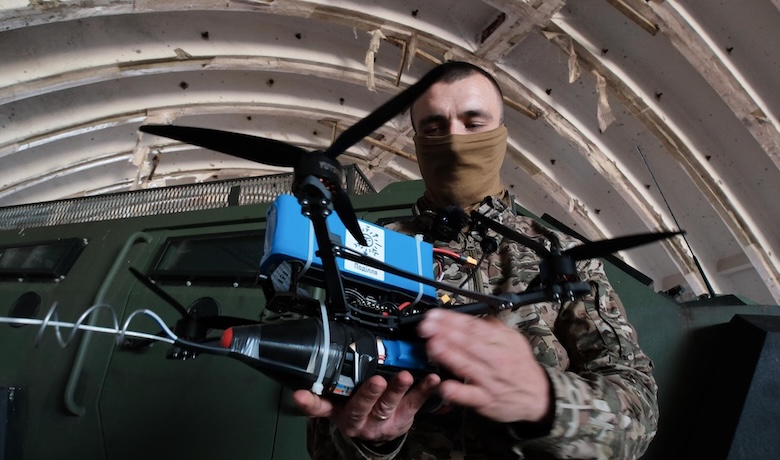
Beyond Human-in-the-Loop: Battlefield Maps for Drone Autonomy The requirement that a human approve every lethal engagement, known as human-in-the-loop (HITL), is effectively dead, a casualty of the war in Ukraine. The requirement that commanders bear responsibility...
by
Dan E. Stigall
| Aug 10, 2026 | AoW Posts, Blog, Interpretation & Development
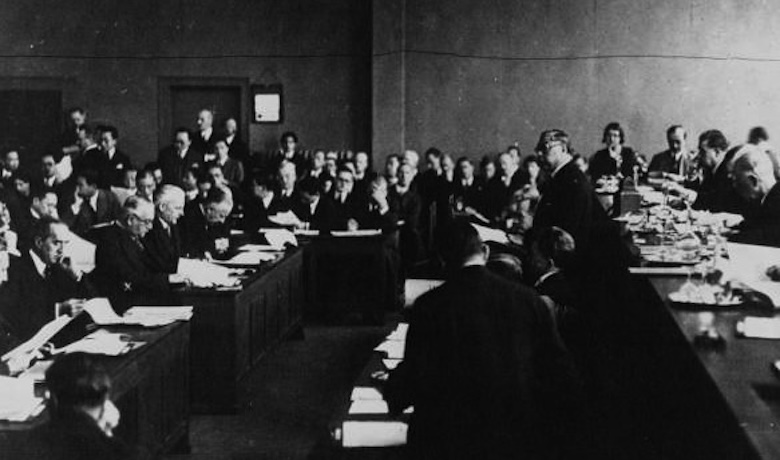
International Law, the Civil Law Tradition, and Sources of Law – Part II Editors’ note: This is the second in a two-part post illustrating the impact of the civil law tradition on the formation of international law including the law of war, specifically the sources of...

by
Paul A.L. Ducheine
| Aug 7, 2026 | AoW Posts, Blog, Use of Force
The “Aggregated” Accumulation of Events Doctrine: Three Operational Hypotheticals Editors’ note: This post is based on the author’s forthcoming contribution to “What if in 2031” in a fall/winter publication at the NATO Defence College (Rome). The post’s hyperlinks...
by
Brian Jones
| Aug 5, 2026 | AoW Posts, Blog, Law of Armed Conflict
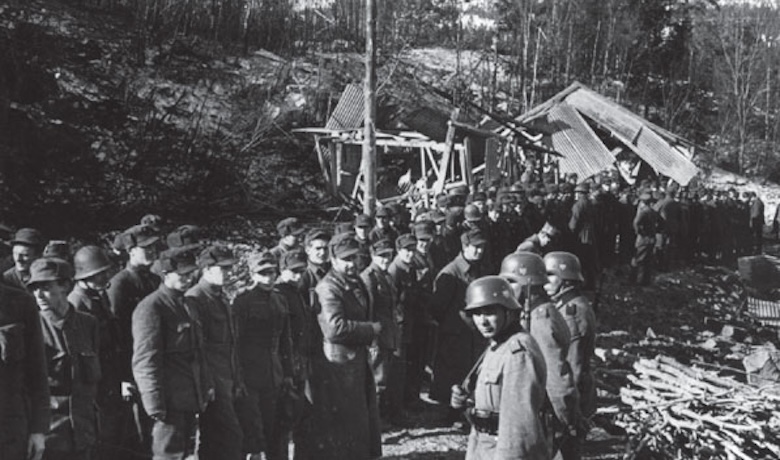
Surrender as a Weapon: Operational Paralysis and the Law of War In the opening days of the Operation Desert Storm ground campaign, Iraqi Soldiers surrendered by the tens of thousands. They surrendered to armor, to infantry, and in one famous instance, to a remotely...
by
Gerald Mako
| Aug 4, 2026 | AI, AoW Posts, Blog, Emerging Technologies
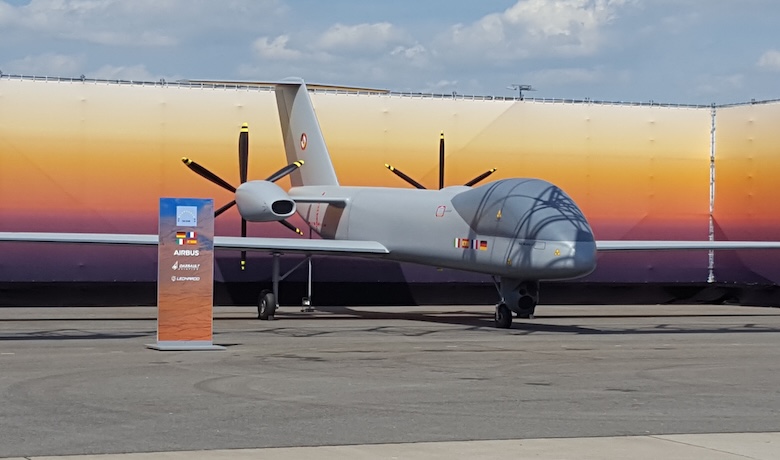
Compliance by Design IV: LOAC in the European Defense Industry Editors’ note: This is the ninth post in a series dedicated to Lethal Autonomous Weapons Systems (LAWS) and the questions of human oversight and legal accountability under international humanitarian law....
