by
Emily Crawford
| Feb 17, 2026 | AoW Posts, Blog, Law of Armed Conflict
The Terminological Architecture of the Jus in Bello: Law, Language and Warfare The lexicon governing the conduct of hostilities is not a static collection of synonyms but a dynamic field of ideological contestation. For centuries, the body of international law that...
by
Ronald Alcala
| Jan 28, 2026 | AoW Posts, Blog, Law of Armed Conflict, Targeting
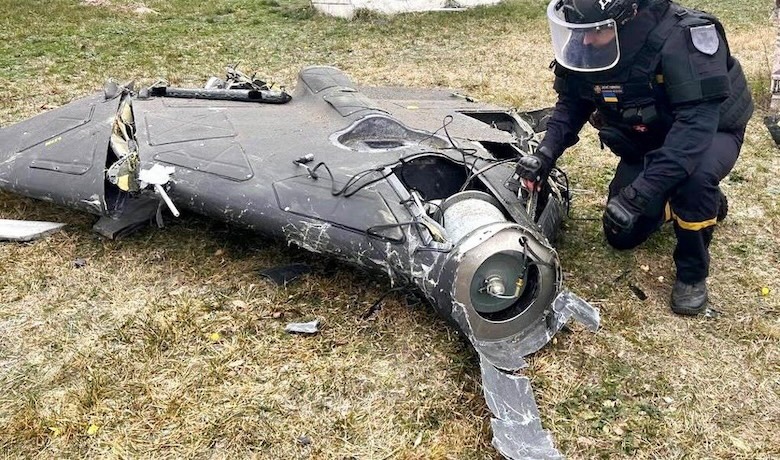
Gamifying War: Reward Incentives and “Outlawry” in Armed Conflict Both sides of the Ukraine-Russia conflict maintain incentive programs that reward soldiers for kills on the battlefield. Russia offers monetary bonuses for the destruction of enemy equipment, such as...
by
Thomas Wheatley
| Jan 26, 2026 | AoW Posts, Blog, Law of Armed Conflict, Use of Force
The Moral Disorder of Jus ad Bellum and Jus in Bello Purity In my last post, I argued why the law of armed conflict (LOAC) does not require the absolute separation of jus in bello and jus ad bellum. I also identified how leading thinkers throughout history understood...
by
Robert Kolb
| Jan 23, 2026 | AoW Posts, Blog, History of LOAC, Law of Armed Conflict
Lexical Imperfections in the Hague Regulations of 1907 The Hague Regulations (HR) annexed to the 1907 Hague Convention (IV) respecting the Laws and Customs of War on Land were the first reasonably general codification of the law of war (as it was then called) in...

by
Ken Watkin
| Jan 20, 2026 | AoW Posts, Blog, Law of Armed Conflict
Intelligence Wars: Sabotage in the Shadows of Conflict Sabotage has suddenly gained a high profile in international dialogue about conflict. This occurs most obviously in the context of an evolving “gray zone conflict” with Russia linked to sabotage in European States...
by
Robert Kolb
| Jan 12, 2026 | AoW Posts, Blog, Law of Armed Conflict, Use of Force
Of Open and Closed Systems – War Caught in Lotus and Anti-Lotus Within every system of law there are open legal sub-systems that offer residual freedom to act and closed sub-systems where residual prohibitions prevail. In the first, the maxim is that what is not...

